Professional Mold Testing in Washtenaw County
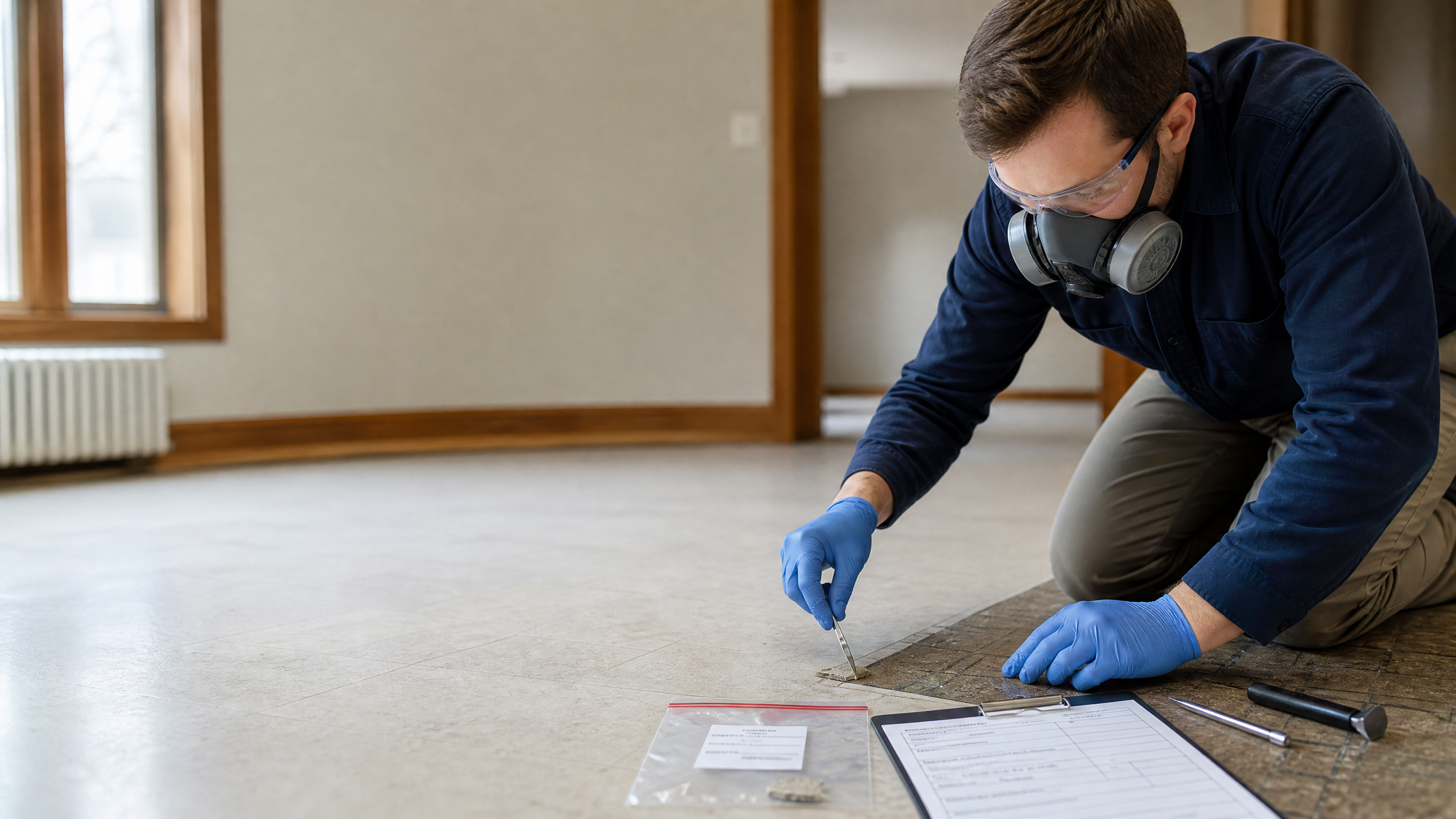
Approximately 15.9% of homes in Washtenaw County were built prior to 1950, and between 42.1% and 63% were built before 1980. This older housing stock significantly increases the likelihood of encountering asbestos-containing materials in insulation and lead-based paint, posing elevated health risks. Michigan's climate creates ideal conditions for mold growth. Our certified inspectors identify mold problems and help you protect your family's health.
Why Washtenaw County Properties Are at Risk for Mold
Michigan's unique climate creates perfect conditions for mold growth. Properties in Washtenaw County face these specific challenges:
- Older housing stock (pre-1980)
- PFAS contamination from industrial sites
- 1,4-Dioxane groundwater plume
- Moderate flood risk
- Proximity to Huron River and inland waterways
- Historical milling industry
Moisture, Climate & Environmental Profile: Washtenaw County
Geographic & Climate Risk
Washtenaw County faces a moderate flood risk, with over 13,880 properties susceptible to flooding over the next 30 years. The presence of the Huron River, numerous lakes, and streams, combined with designated floodplains, increases the potential for moisture intrusion and mold growth, particularly in low-lying areas. While not directly on the Detroit River or Lake St. Clair, its extensive internal waterways contribute to localized moisture concerns.
Industrial History
Washtenaw County has a history of industrial activity, notably the former Universal Die Castings site, which has been identified with PFAS contamination. The county is also known for the extensive 1,4-Dioxane groundwater plume originating from the former Gelman Sciences facility. Historically, the area had a significant milling industry, including grain and woolen mills, which could have contributed to particulate matter in the environment.
Regulatory Context
The Washtenaw County Health Department is responsible for overseeing environmental health, including enforcing regulations related to wells, septic systems, building inspections, and soil erosion. The Michigan Department of Environment, Great Lakes, and Energy (EGLE) provides state-level oversight and guidance on environmental protection.
Common Mold Species Found in Washtenaw County Homes
Mold can grow anywhere there's moisture, and Michigan's climate creates ideal conditions for mold growth. Our professional mold testing identifies the type and concentration of mold spores in your property, helping you understand potential health risks and remediation needs.
Aspergillus
Common indoor mold that can cause respiratory issues
Penicillium
Often found in water-damaged buildings, can trigger allergies
Cladosporium
Grows on fabrics and wood, common allergen
Stachybotrys (Black Mold)
Toxic mold requiring professional remediation
Alternaria
Common in damp areas, triggers asthma and allergies
Chaetomium
Found in severely water-damaged buildings
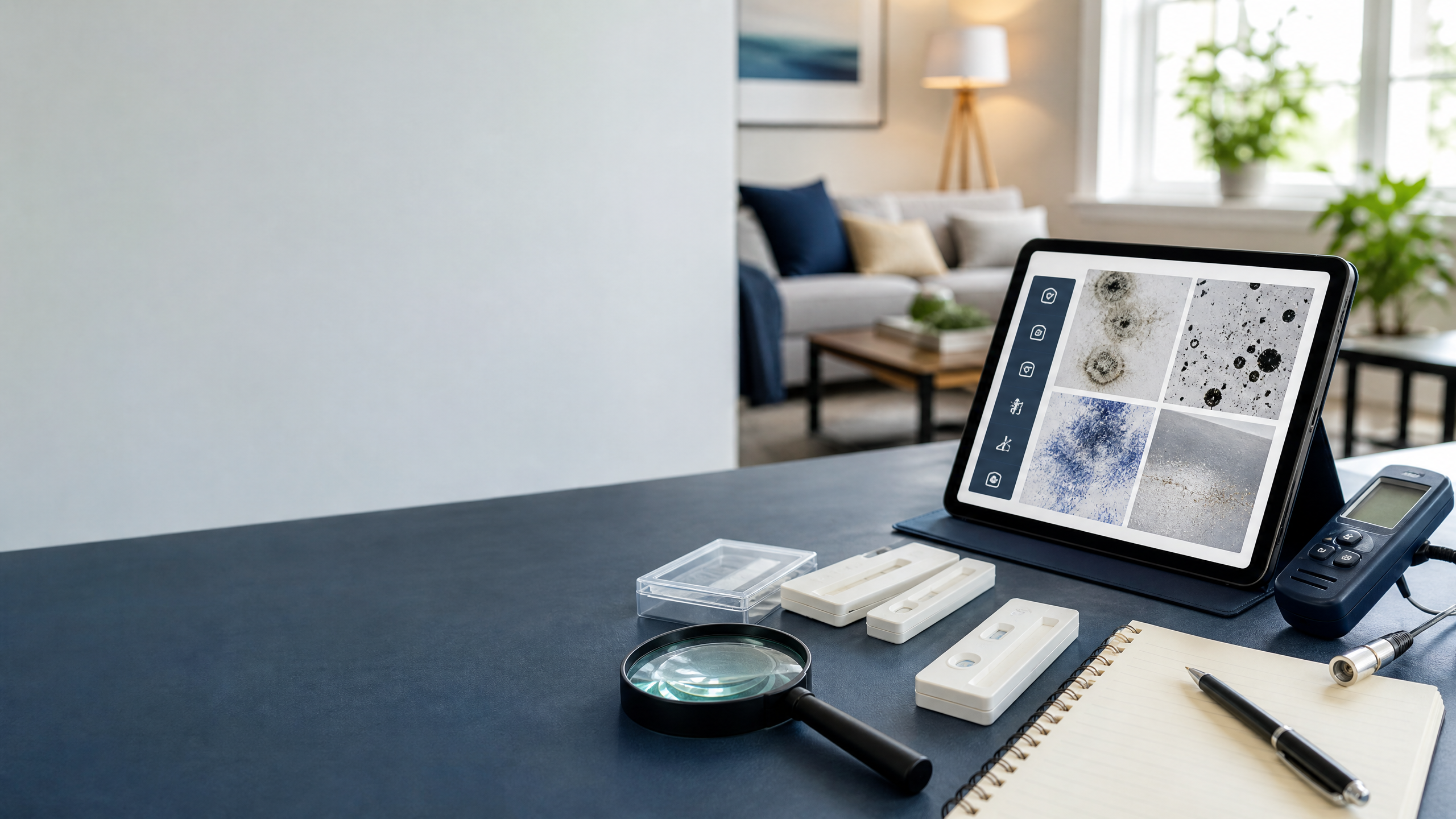
How Mold Testing Works in Washtenaw County
Our comprehensive mold testing process identifies the type and concentration of mold in your property, helping you understand the risks and next steps.
Visual Assessment
Thorough inspection for visible mold and moisture sources
Air Sampling
Collection of air samples to measure spore concentrations
Surface Sampling
Swab or tape samples from suspect areas when needed
Laboratory Analysis
Samples analyzed to identify mold species and quantities
Comprehensive Report
Detailed findings with health risk assessment and recommendations
Health Risks of Mold Exposure in Washtenaw County
Mold exposure can cause a range of health issues, especially for those with allergies, asthma, or compromised immune systems. Don't wait until symptoms appear.
- Allergic reactions and hay fever symptoms
- Asthma attacks and respiratory issues
- Skin irritation and rashes
- Eye and throat irritation
- Chronic sinus infections
- Immune system complications
When Should Washtenaw County Homeowners Test for Mold?
Trusted Mold Testing in Washtenaw County
No Conflict of Interest
We only test — we never remediate. Our results are always unbiased.
Fast Results
Get your lab results quickly so you can take action if needed.
Detailed Reports
Comprehensive reports with mold species identification and recommendations.
Accredited Labs
Samples analyzed by certified laboratories for accurate results.
Other Services in Washtenaw County
We offer a full range of environmental testing and inspection services in Washtenaw County. Explore our other services below.
Asbestos Testing in Washtenaw County
Certified asbestos inspection and testing for safe renovation and peace of mind.
Property Inspections in Washtenaw County
Comprehensive home inspections for buyers, sellers, and property owners.
Looking for general information? Visit our main Mold Testing page to learn more about our services and process.
Get Professional Mold Testing for Your Michigan Property
Don't let hidden mold compromise your health. Our certified inspectors use advanced air sampling and surface testing to identify mold issues before they spread.